SDOH Insights Meet Automation Better Care, Bigger Impact
Alvee uses AI to identify and act on upstream drivers of health, helping healthcare organizations close care gaps, drive revenue, and scale whole-person care.
We make it easy for our customers to operationalize SDOH and whole-person care across the enterprise
Providers
Payers
Health Tech Companies
Community-Based Organizations
Alvee users
Care Navigators
Community Health Workers
Social Workers
Maternal Health
Patient / Member Services
Quality Teams
Primary Care
Oncology
Population Health
Behavioral Health
Emergency Departments
Why use alvee?
Do you struggle with
Social needs buried in notes, problem lists, and flowsheets
Collecting SDOH assessments but not doing much with them
Care teams manually hunting for resources for every patient
Referrals and benefit applications that rarely close the loop
Patients getting stuck on forms, portals, and enrollment steps
Lost revenue from SDOH work that never makes it into billing
No clear way to show ROI on SDOH and social care programs
Staff overwhelmed by clicks, notes, and follow-up tasks
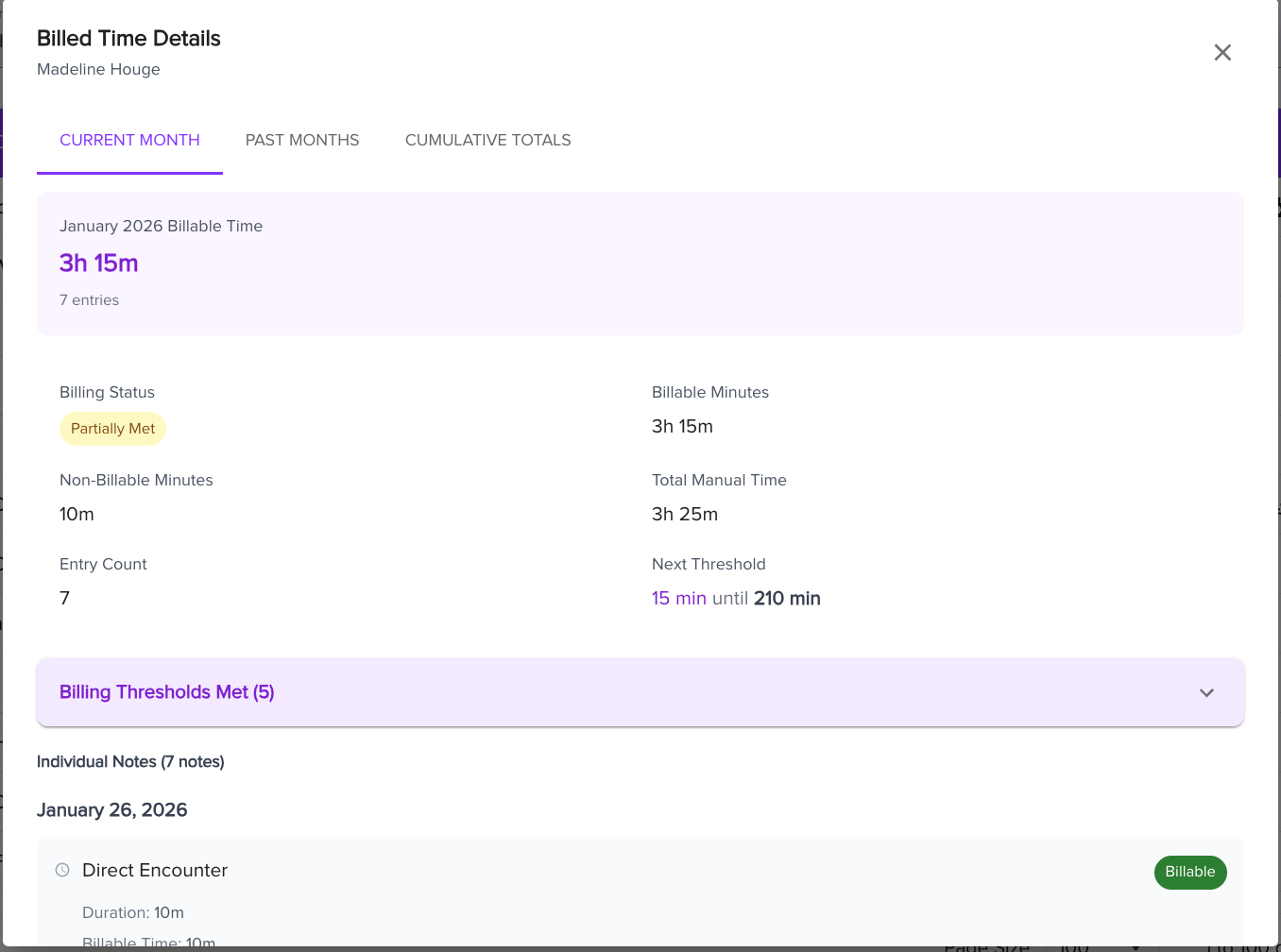
Manually tracking time and documentation for Community Health Integration Service (CHI), Principal Illness Navigation Services (PIN), TCM, and CCM
How alvee helps
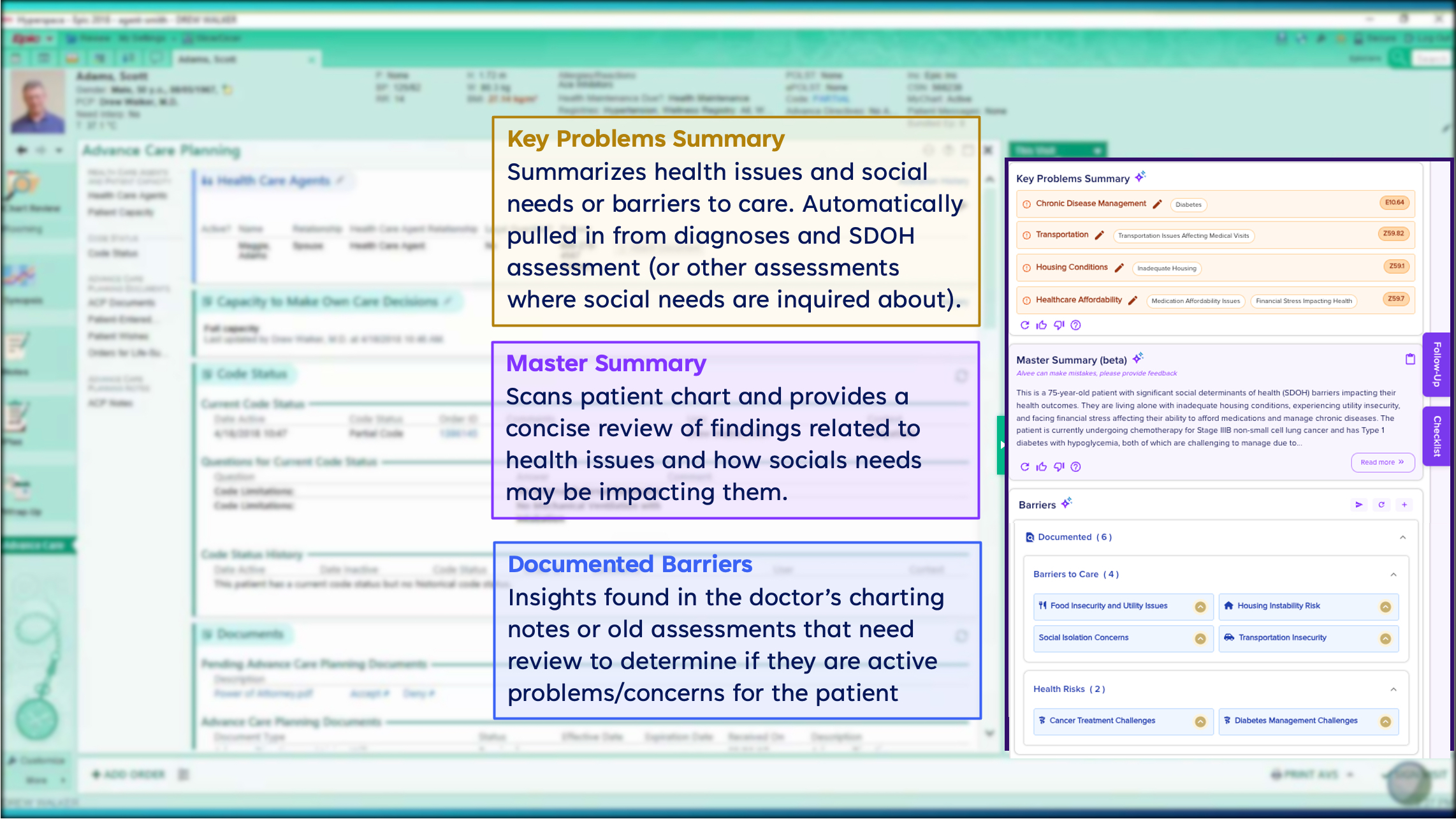
Automatically extracts SDOH risks and barriers from unstructured clinical data
Turns assessments into discrete ICD-10 codes and next-best actions in your EHR
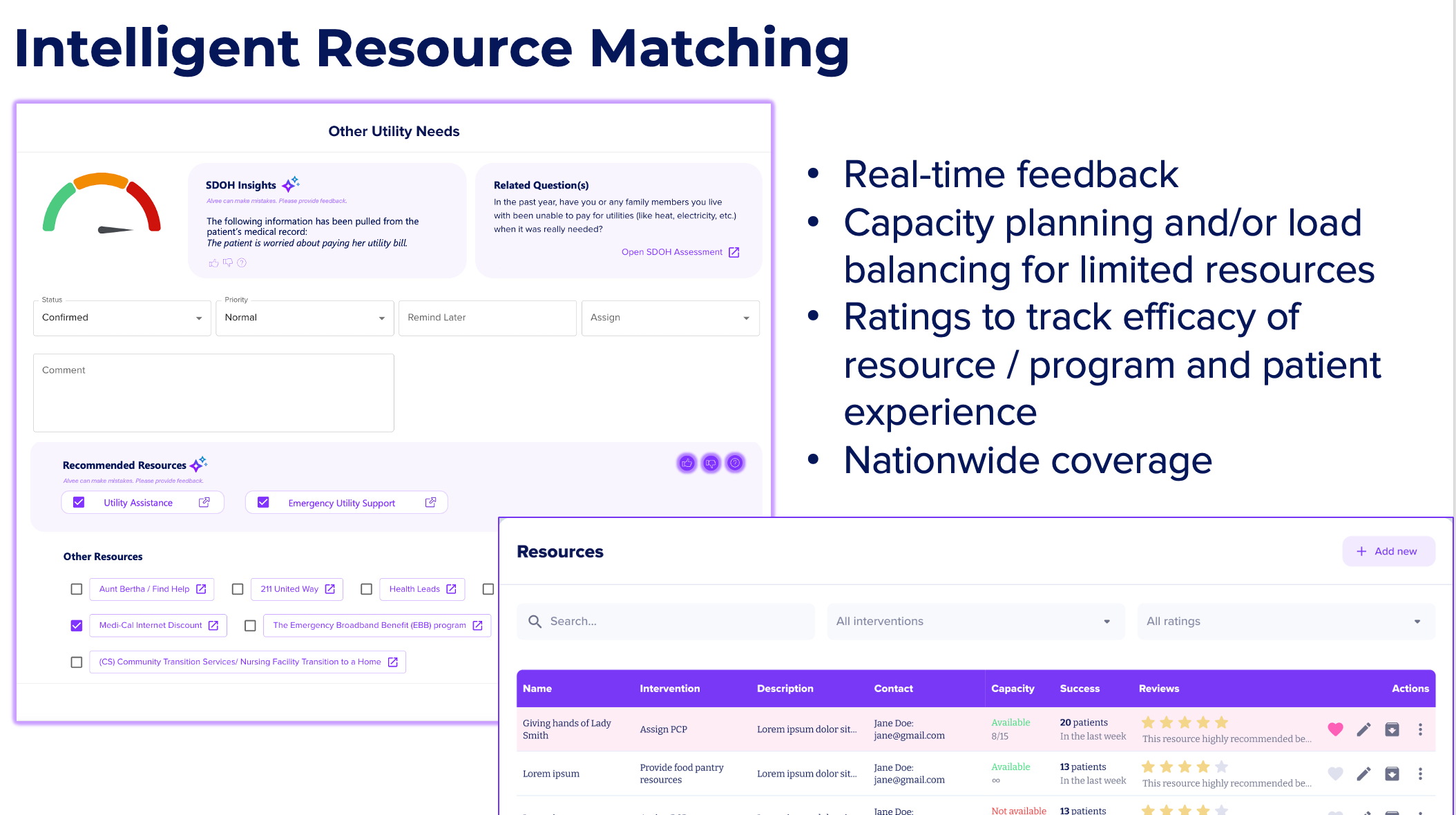
Matches patients to relevant, in-network and community resources in real time
Tracks referrals and applications end-to-end and surfaces what’s still open
Digital Social Care Navigator guides patients through forms and enrollment
Suggests appropriate Z-codes, referrals for CHI/PIN, and auto-drafts billing-ready documentation
Dashboards tie social risk, interventions, and outcomes to financial impact
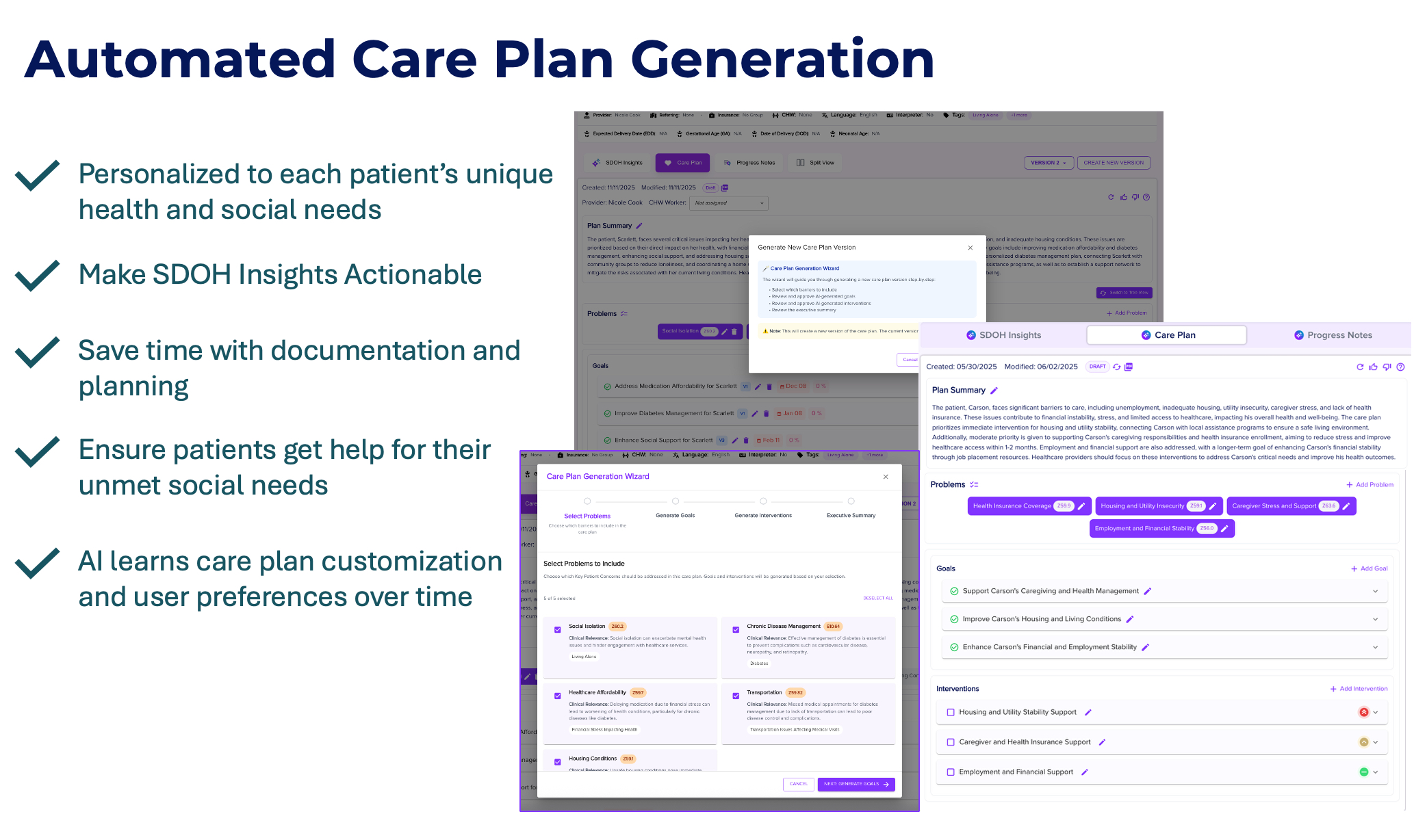
Automates notes, tasks, and outreach so teams spend more time on care, not admin
Auto-captures key visit details and time, generating billing-ready documentation
We believe that understanding patients’ real-world context must be the foundation of good care. When organizations have the right tools to identify and address non-medical barriers, they can reduce avoidable utilization and deliver better outcomes at scale.
How it works
What if you could predict the one thing that could change a person's entire health trajectory?
.gif)